Ride1Up
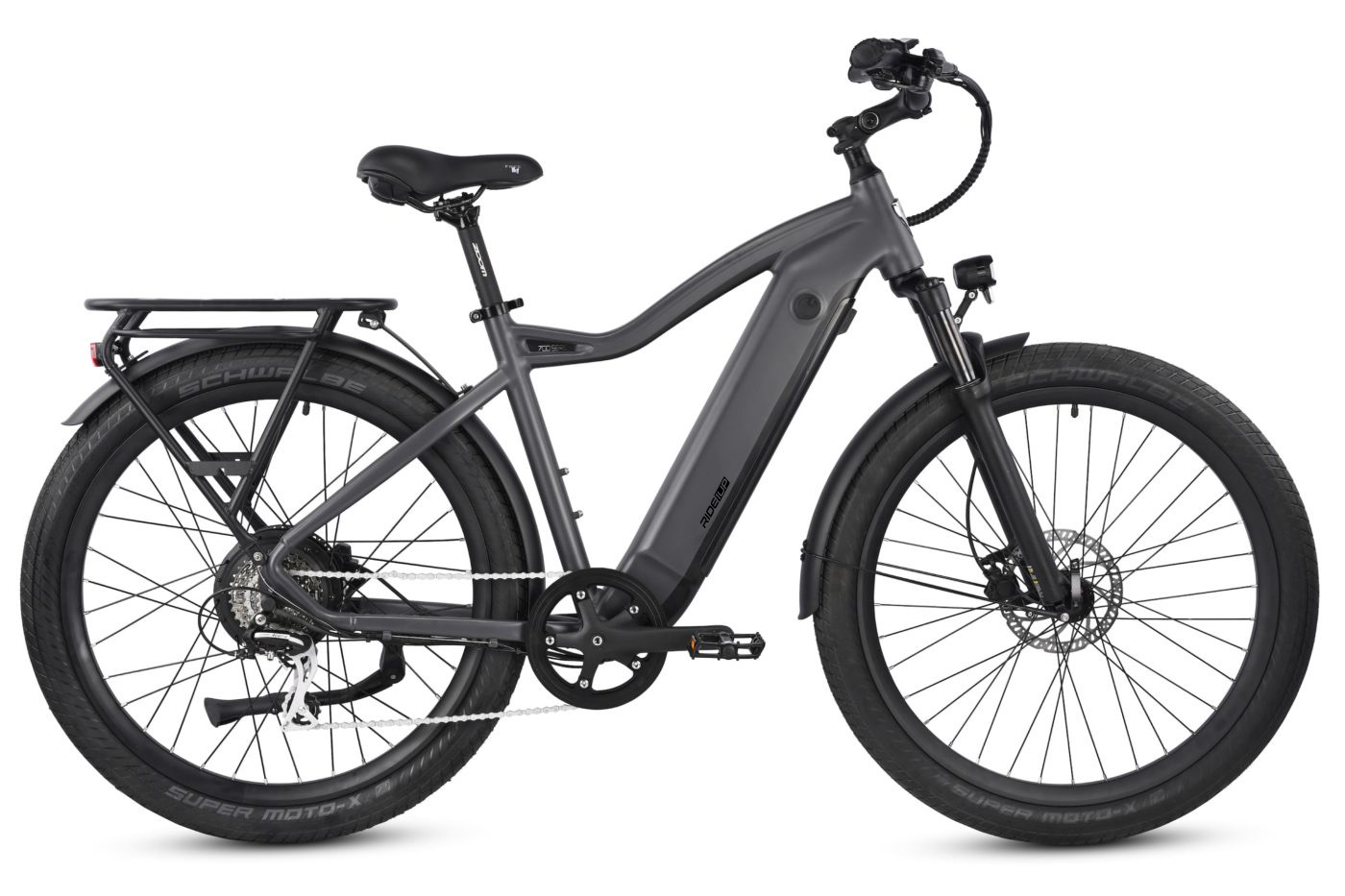
Ride1Up 700 Series
The Ride1Up 700 Series is a value-packed Class 3 commuter that punches well above its price with a 750W motor, big 720Wh battery, and a full Shimano drivetrain. The latest version adds a torque sensor and 9-speed gearing.
Specifications
Features
Pros
- ✓The 750W motor has serious grunt - it pulls strongly up hills and gets to 28 mph with authority, feeling more powerful than its sub-$1,700 price tag suggests.
- ✓The huge 720Wh battery is one of the biggest in its class, and the bike is famous for delivering real touring-distance range when you keep assist moderate.
- ✓Reviewers consistently call it a 'premium feel for budget money' - the fit, finish, and component spec genuinely rival bikes costing several hundred dollars more.
- ✓The recent move to a torque sensor smoothed out power delivery dramatically versus the old cadence-only 700, making it ride much more naturally.
- ✓It comes fully loaded out of the box with fenders, a rear rack, integrated lights, and a suspension fork, so there is nothing else to buy to start commuting.
- ✓The upgraded 9-speed Shimano drivetrain gives a good gear spread for both hills and maintaining cadence at speed.
Cons
- ✗At 62 lbs it is a heavy bike, so carrying it up stairs or lifting it onto a car rack is a real chore.
- ✗The warranty is only one year, shorter than the two years offered by Aventon and others, which gives some buyers pause.
- ✗As a direct-to-consumer brand there is no local shop to lean on - you are responsible for final assembly and any tuning yourself.
- ✗Some owners report the suspension fork is fairly basic and dives or feels under-damped on bigger hits.
- ✗The somewhat aggressive forward-leaning geometry is efficient but less comfortable for riders who want a fully upright cruiser position.
- ✗Customer service is online-only, so troubleshooting electrical gremlins can mean shipping parts and waiting rather than walking into a store.
Owner Insightssummarized from Reddit and owner forums
The Ride1Up 700 Series has a near-cult 'best bang for buck commuter' status on r/ebikes. The recurring sentiment is disbelief at the spec for the price — a strong 750W motor, a big 720Wh battery, a 9-speed Shimano drivetrain, hydraulic brakes, and full commuter equipment, all for under $1,700. People who've owned pricier bikes routinely say it feels more premium than it has any right to.
The move to a torque sensor in the latest version is frequently cited as the upgrade that silenced earlier critics of the cadence-only original. Range is the other big draw: with that large battery, owners report genuine long-haul distances when they keep the assist moderate.
The caveats are predictable for a direct-to-consumer value bike: a shorter 1-year warranty, real heft at 62 lbs, self-assembly, and a basic fork. The community's framing is that if you want the most motor and battery per dollar in a polished commuter, this is the bike — with the Aventon Level 3 as the alternative for people who'd trade some power for slicker tech and a longer warranty.
What owners like
- +Perennial r/ebikes 'best value commuter' pick — people are shocked by the spec for the price
- +The 750W motor and big 720Wh battery get praised for real power and touring range
- +The torque-sensor update smoothed power delivery and won over skeptics
- +Comes fully loaded — fenders, rack, lights, 9-speed Shimano — nothing to buy
Common complaints
- −1-year warranty is shorter than Aventon's, which gives some buyers pause
- −Heavy at 62 lbs, with the usual stairs/rack complaints
- −Direct-to-consumer means self-assembly and no local shop for service
- −Suspension fork is fairly basic for rougher roads
Common Questions
Ride1Up 700 Series vs Aventon Level 3 — which is better?
Is the 1-year warranty a concern?
How is assembly since there's no local shop?
Does it really get the claimed range?
Is it comfortable for daily commuting?
Compare the Ride1Up 700 Series
Related ebikes
More from Ride1Up →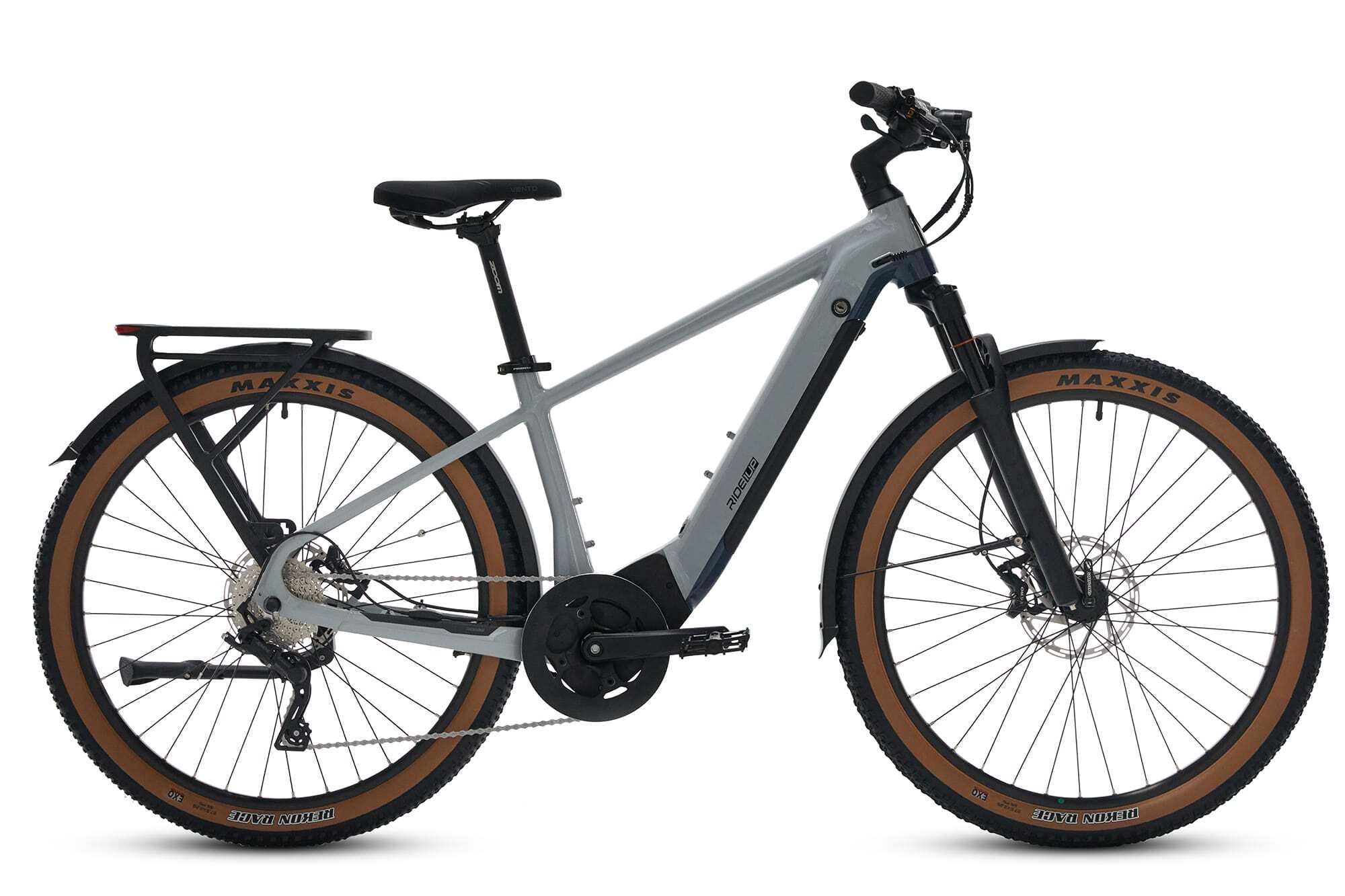
Ride1Up
Ride1Up Prodigy V2
The Ride1Up Prodigy V2 pairs a German-made Brose TF Sprinter mid-drive with 90Nm of torque, a 100mm suspension fork, and full commuter equipment for well under $2,000. It is widely cited as the cheapest way into a genuine premium mid-drive.
Ride1Up
Ride1Up Vorsa
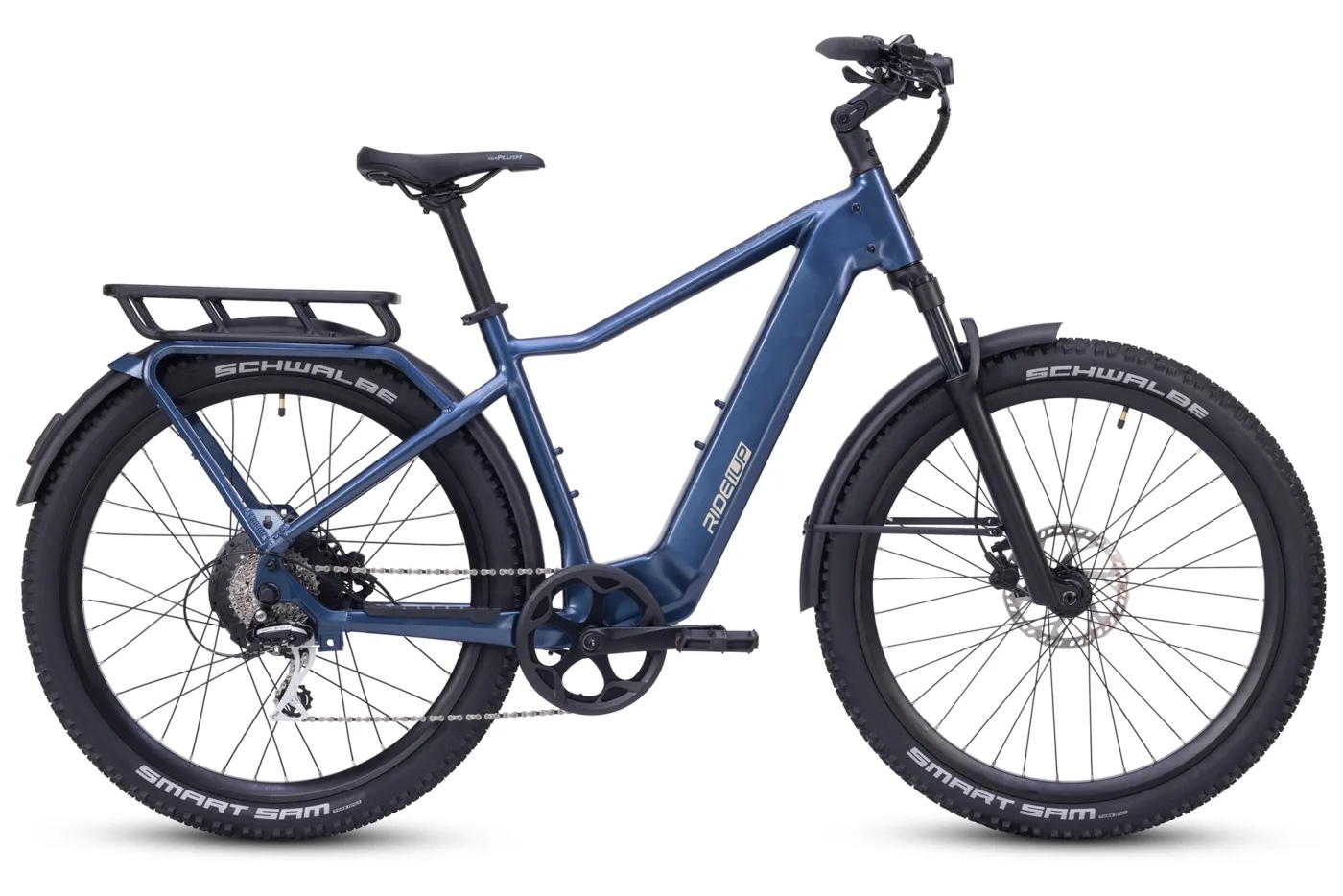
The Ride1Up Vorsa is an SUV-style do-it-all e-bike that pairs a 750W AKM hub motor (95Nm, 1,380W peak) with a 720Wh Samsung-cell battery and a unique switchable torque/cadence sensor system. With a 440-lb payload, 150-lb modular rear rack, 100mm suspension fork, and 27.5x2.6-inch Schwalbe tires, it commutes on weekdays and hauls kids, cargo, or gravel miles on weekends for $1,595.
Ride1Up
Ride1Up Roadster V3
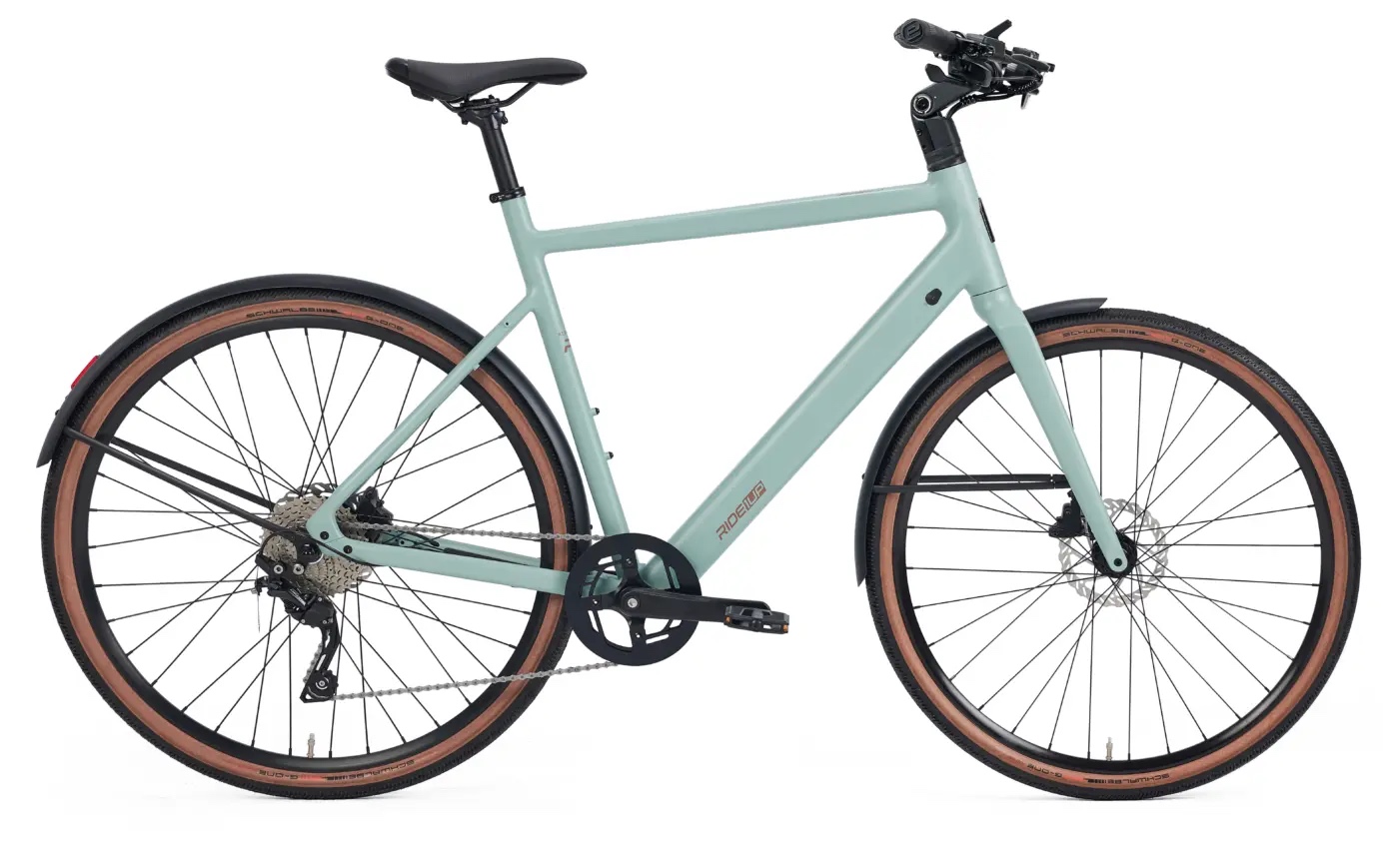
The Ride1Up Roadster V3 is a stealthy 40-lb city and gravel e-bike that hides its 360Wh battery and 500W Mivice hub motor so well most people won't clock it as electric. With a torque sensor, hydraulic brakes, 700x45c gravel tires, and a choice of 9-speed chain or maintenance-free carbon belt drive, it rides more like a nice analog bike that happens to have a tailwind.
Ride1Up
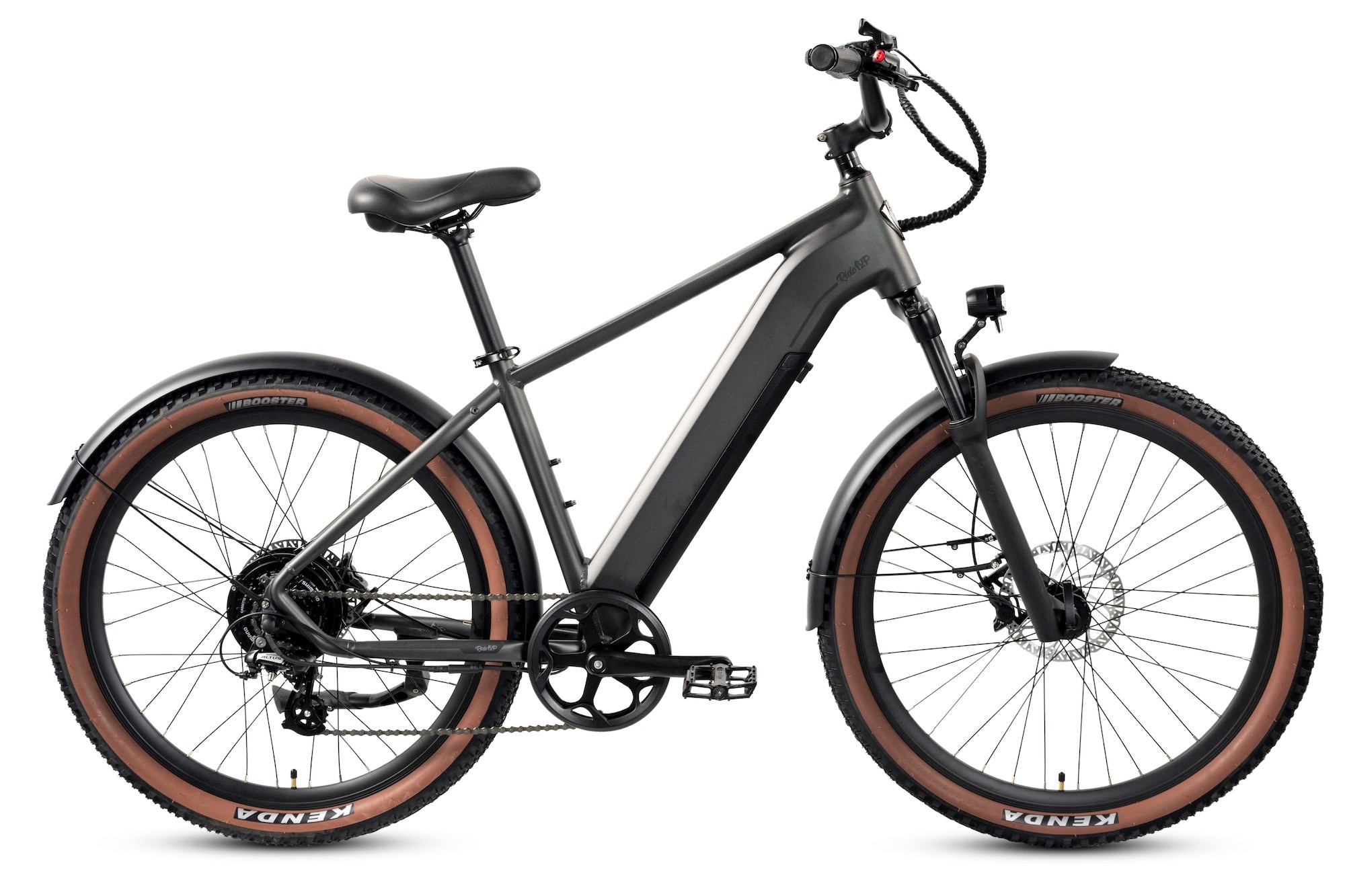
Ride1Up Turris
The Ride1Up Turris is an affordable, no-frills Class 3 commuter built around a 750W motor and a clean, sporty aluminum frame. It is one of the better-value sub-$1,300 city e-bikes on the US market.
Ride1Up
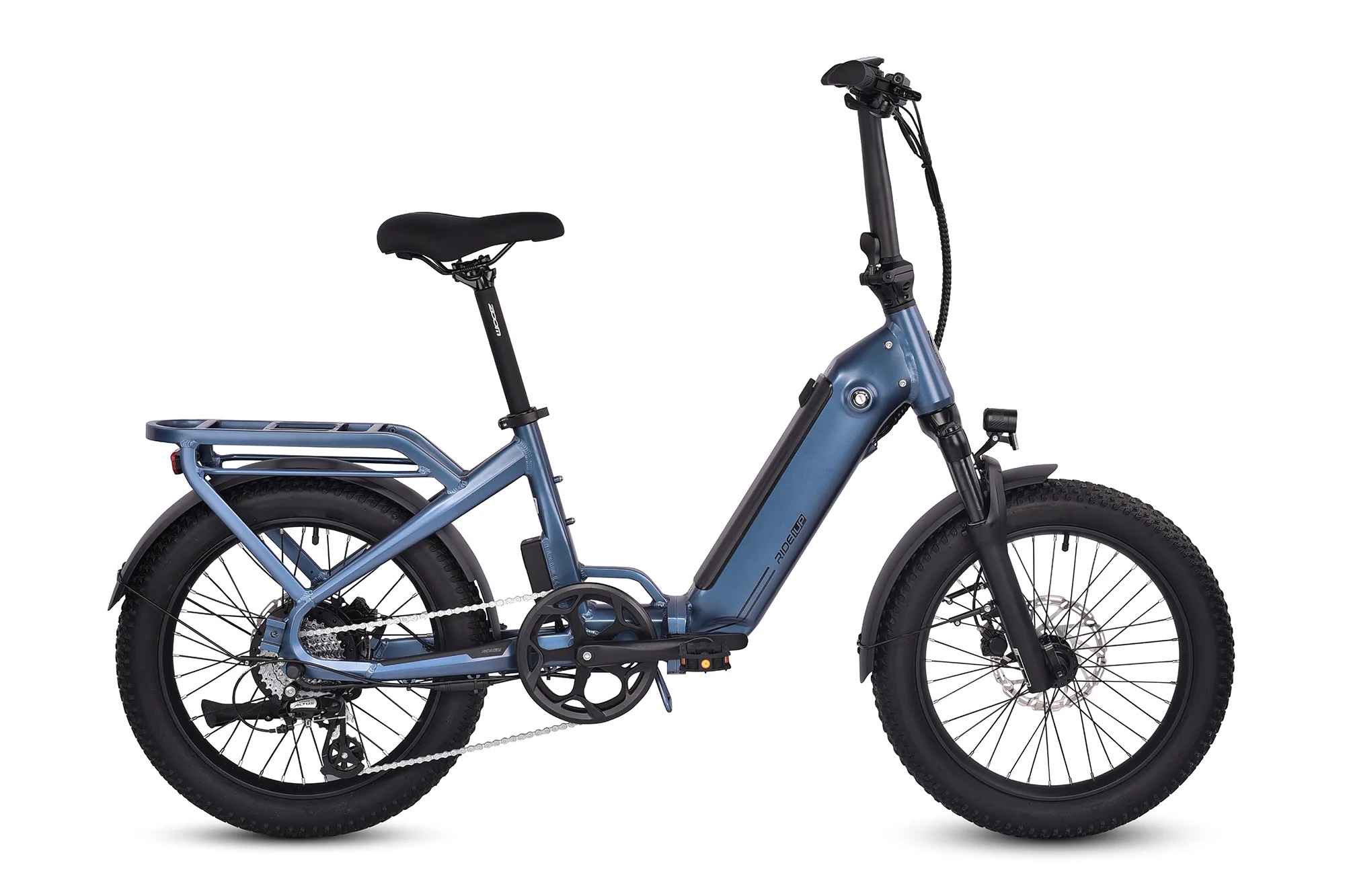
Ride1Up Portola
The Ride1Up Portola is a $995 folding fat-tire e-bike with a 750W motor, hydraulic brakes, a suspension fork, and Class 3 capability. It is the perennial 'Lectric XP alternative' that wins most spec-for-spec comparisons.
Aventon
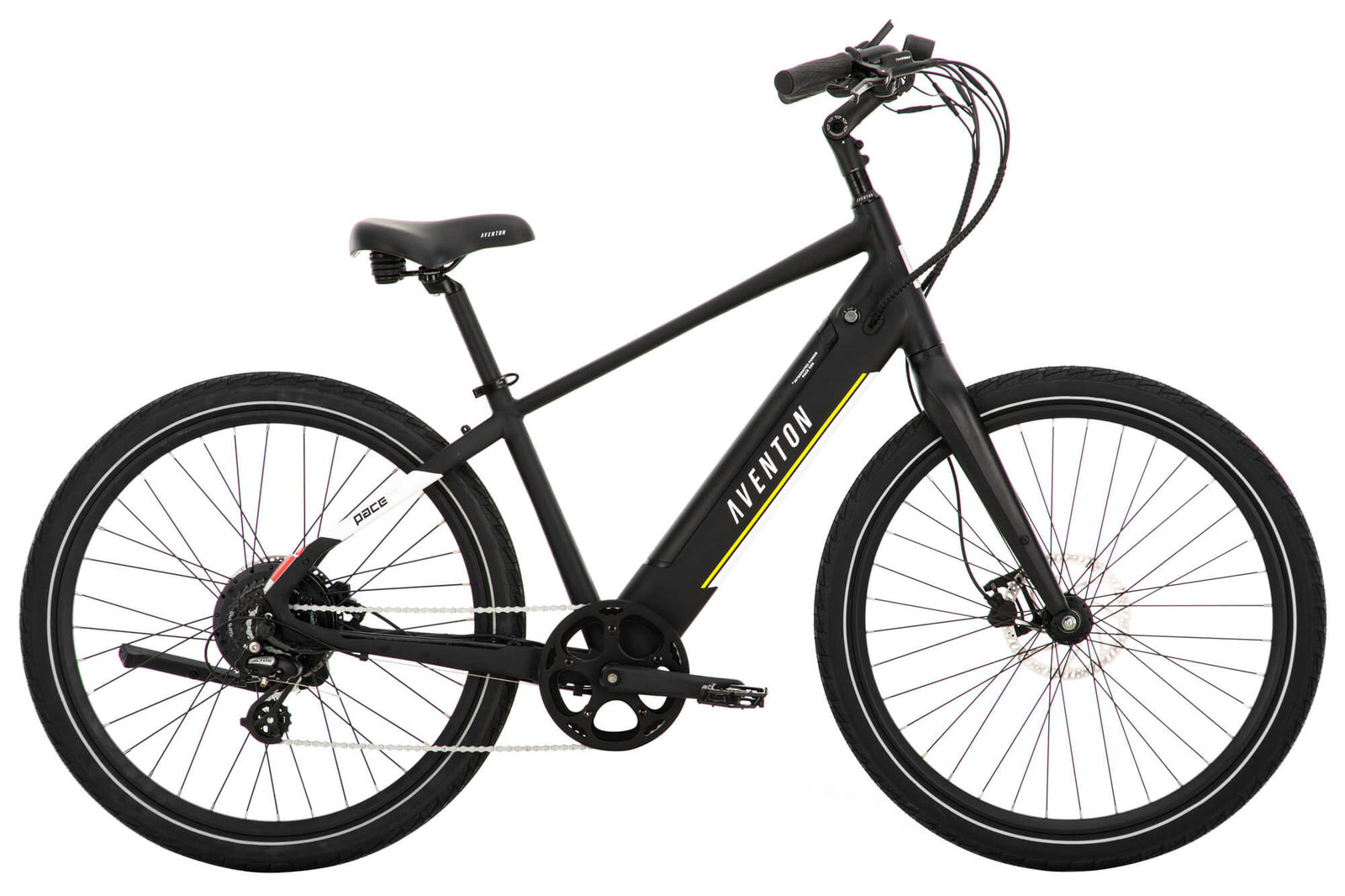
Aventon Pace 4
The Aventon Pace 4 is a lightweight, upright cruiser-style commuter that replaced the Pace 500.3 in Aventon's lineup, adding a bigger 733Wh battery, SensorSwitch (flip between torque and cadence assist), and built-in 4G GPS security. It ships as a Class 2 throttle bike but unlocks to Class 3 (28 mph) in the app.