Aventon Pace 4 vs Ride1Up Prodigy V2
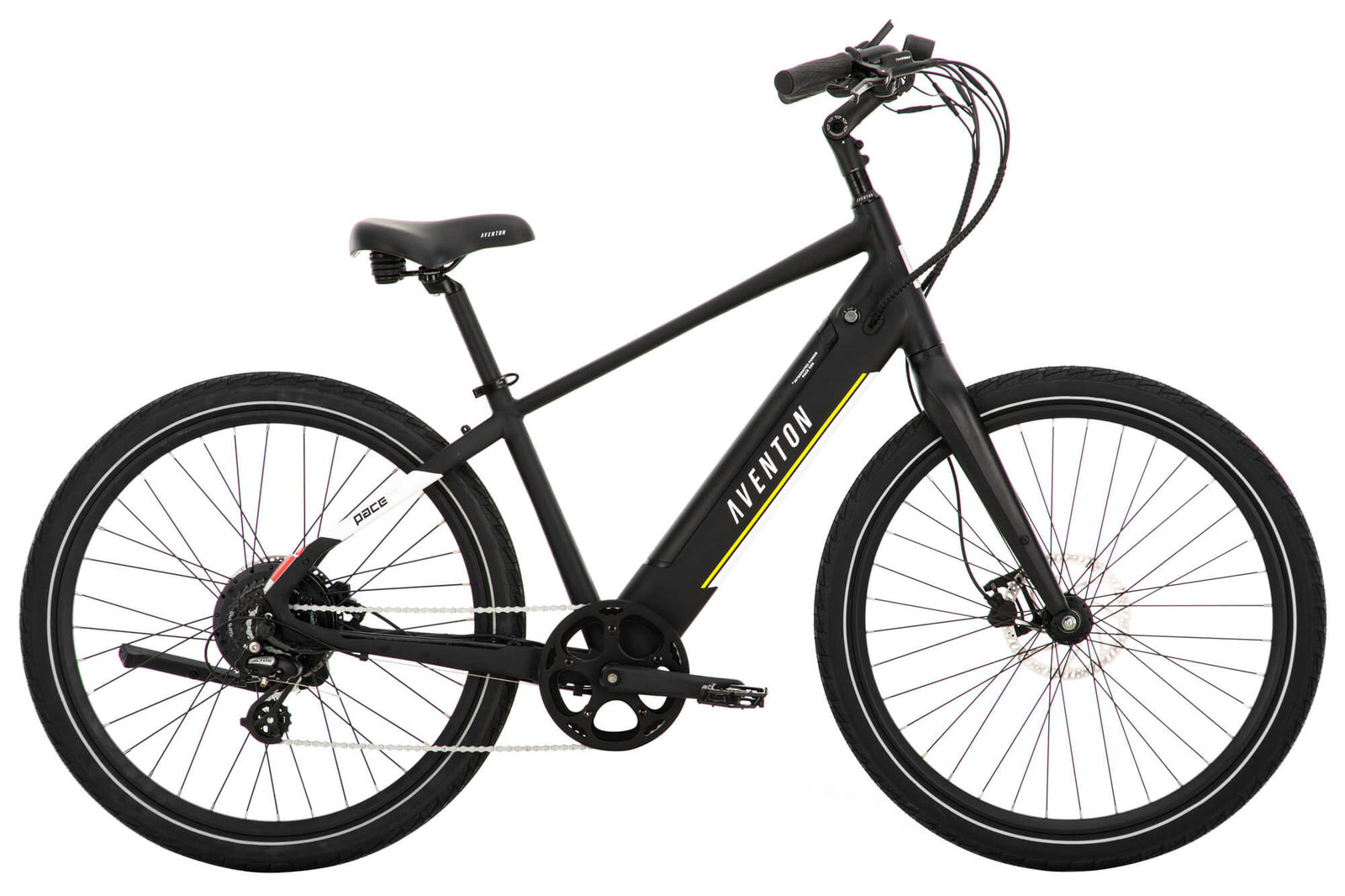
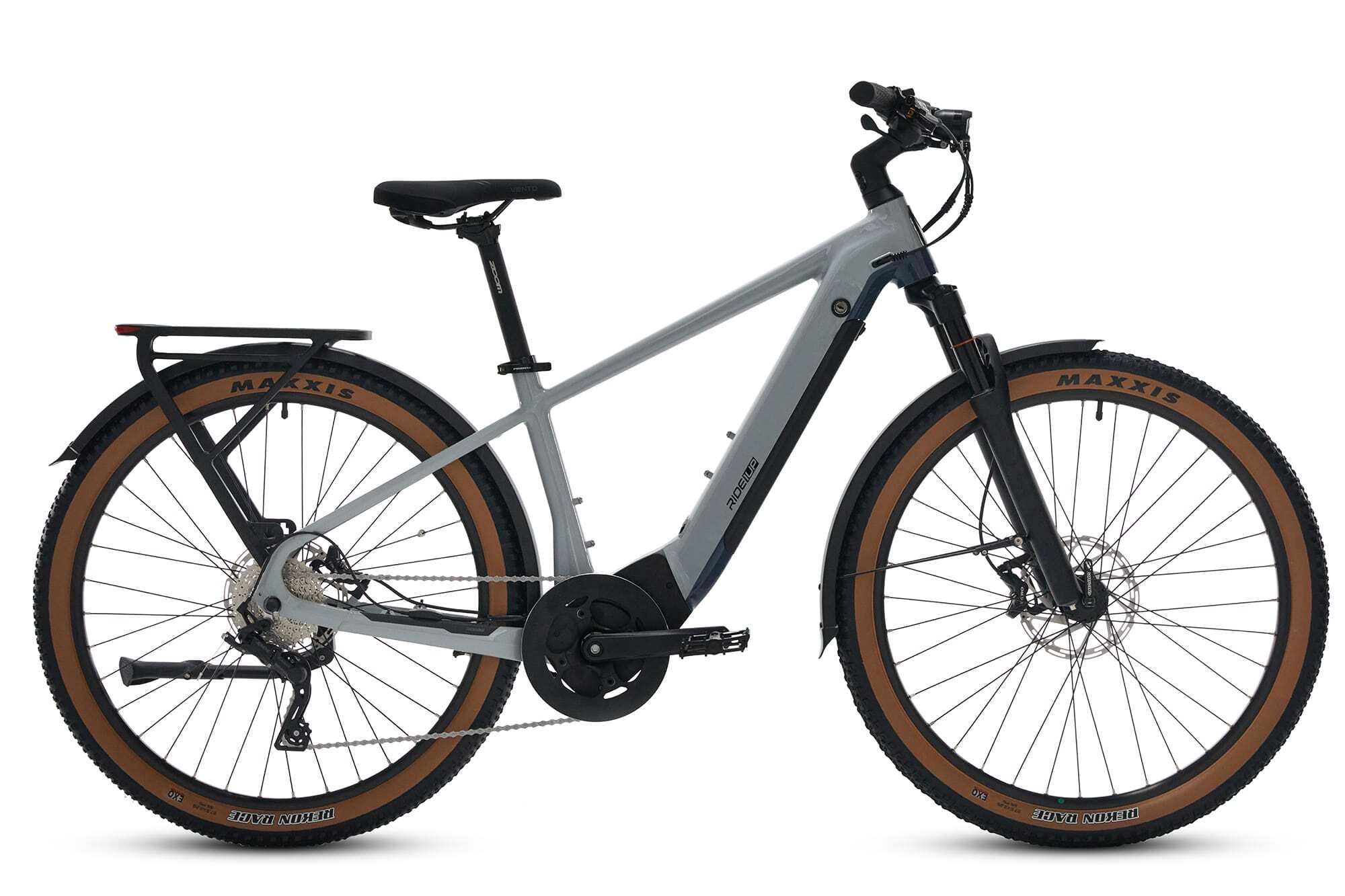
Quick take: The Aventon Pace 4 costs $96 less; the Aventon Pace 4 goes farther on a charge (70 vs 50 mi); the Aventon Pace 4 has a more powerful motor (500W vs 250W).
| Spec | Aventon Pace 4 | Ride1Up Prodigy V2 |
|---|---|---|
| Price | $1,699 | $1,795 |
| Rating | 4.5★ (1,400) | 4.6★ (300) |
| Category | Commuter | Commuter |
| Class | Class 3 | Class 3 |
| Motor | 500W | 250W |
| Top Speed | 28 mph | 28 mph |
| Range | 70 mi | 50 mi |
| Battery | 733 Wh | 504 Wh |
| Max Load | 300 lbs | 300 lbs |
| Weight | 53 lbs | 58 lbs |
| Brakes | Hydraulic Disc | Hydraulic Disc |
| Drivetrain | 8-Speed | 9-Speed |
| Wheel Size | 27.5 in | 27.5 in |
| Throttle | Yes | No |
| Torque sensor | Yes | Yes |
| Suspension | No | Yes |
| Fenders | No | Yes |
| Rear rack | No | Yes |
| Lights | Yes | Yes |
| Foldable | No | No |
| Warranty | 2 years | 1 year |
Pros & cons
Aventon Pace 4
- ✓At 53 lbs it is one of the lighter and more manageable hub-drive commuters out there, making it noticeably easier to lift onto a rack or carry up a few steps than the heavier Level 3.
- ✓The Pace 4's SensorSwitch tech lets you flip between torque-sensor and cadence assist on the fly, so power delivery can be as natural or as effortless as you like.
- ✓The upright, swept-back riding position is genuinely comfortable for casual riders and people coming back to cycling who do not want an aggressive forward lean.
- ✓The 733Wh battery is a big jump over the old Pace 500.3's 614Wh pack, backing Aventon's 70-mile range claim in low assist.
- ✓It comes with integrated turn signals and a tail/brake light, which is unusually safety-forward for a relaxed cruiser-commuter at this price.
- ✓The step-through frame option and low standover make it very accessible for shorter riders and anyone who values easy mounting.
- ✗There is no suspension fork at all, so on rough pavement or gravel the ride gets harsh quickly compared to the suspension-equipped Level 3.
- ✗It ships without fenders or a rear rack, so you will be spending extra to make it errand- and rain-ready out of the box.
- ✗The 500W motor and upright, less-aerodynamic posture mean it is not the climber or the speed demon that sportier 750W commuters are.
- ✗Like other Aventon bikes it requires the app and an account to unlock Class 3 speeds, which some buyers find an unnecessary hassle.
- ✗The cruiser geometry and tall handlebars are comfy but trade away the sporty, planted feel that more aggressive commuters deliver at 28 mph.
Ride1Up Prodigy V2
- ✓The Brose TF Sprinter mid-drive is the same class of German motor found in bikes costing twice as much, and its 90Nm of torque-sensing assist feels silky, quiet, and natural in a way hub drives simply do not.
- ✓At around $1,795 it undercuts comparable Specialized and Trek mid-drives by $1,000-3,000, which is exactly why r/ebikes keeps recommending it to mid-drive shoppers on a budget.
- ✓It comes commute-ready out of the box with fenders, a rear rack, integrated lights, and a kickstand - nothing extra to buy.
- ✓The 100mm suspension fork is generous travel for a commuter and takes the sting out of potholes and curb cuts.
- ✓The optional LS trim adds an Enviolo CVT hub with a Gates carbon belt, bringing near-zero drivetrain maintenance to a price bracket where that combination is unheard of.
- ✓The mid-drive's central weight and 27.5-inch wheels give it balanced, bike-like handling rather than the tail-heavy feel of rear hub commuters.
- ✓Class 3 pedal assist to 28 mph makes it genuinely fast for commuting while the torque sensor keeps the power delivery controllable.
- ✗There is no throttle - the Brose system is pedal-assist only, which disappoints riders coming from throttle-equipped hub-drive bikes.
- ✗The 504Wh battery is on the small side for a 28 mph commuter, so heavy assist use can drain it in the 30-mile range.
- ✗The warranty is only one year, thin coverage for a bike with a premium European motor that would be costly to replace out of pocket.
- ✗As a direct-to-consumer bike you handle assembly and troubleshooting yourself, and Brose motor service options in the US are more limited than Bosch or Shimano.
- ✗Mid-drive power through the chain accelerates drivetrain wear, so budget for more frequent chain and cassette replacements on the non-belt models.
- ✗At 58 lbs it is lighter than most hub-drive rivals but still a handful on stairs.