Specialized Turbo Vado 4.0 vs Priority Current Plus
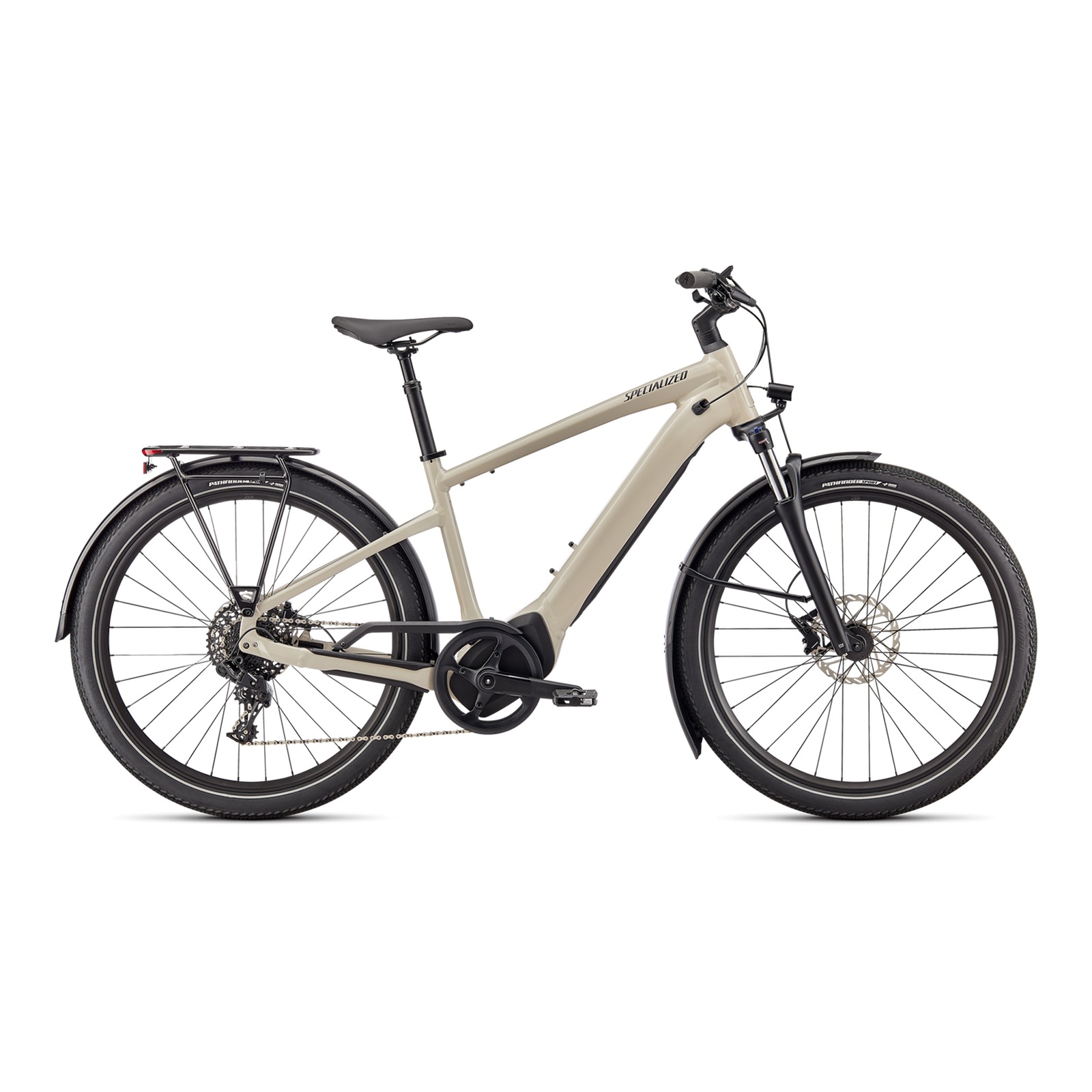
vs
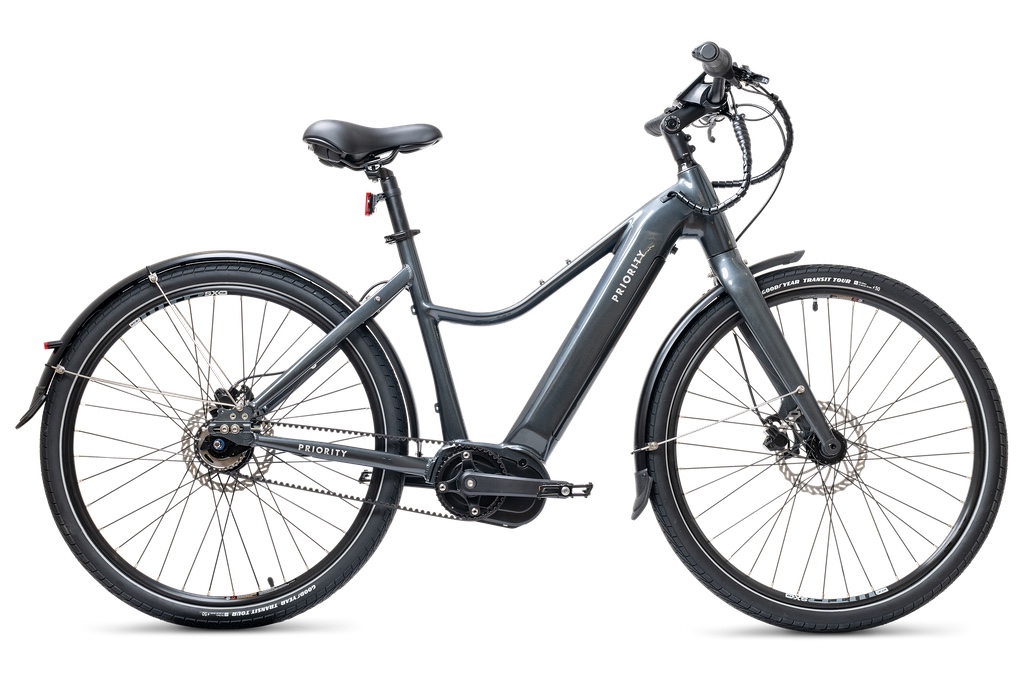
Quick take: The Priority Current Plus costs $451 less; the Priority Current Plus goes farther on a charge (75 vs 60 mi); the Priority Current Plus has a more powerful motor (500W vs 250W).
| Spec | Specialized Turbo Vado 4.0 | Priority Current Plus |
|---|---|---|
| Price | $3,750 | $3,299 |
| Rating | 4.7★ (500) | 4.7★ (350) |
| Category | Commuter | Commuter |
| Class | Class 3 | Class 3 |
| Motor | 250W | 500W |
| Top Speed | 28 mph | 28 mph |
| Range | 60 mi | 75 mi |
| Battery | 710 Wh | 720 Wh |
| Max Load | 300 lbs | 300 lbs |
| Weight | 57 lbs | 55 lbs |
| Brakes | Hydraulic Disc | Hydraulic Disc |
| Drivetrain | 10-Speed | 5-Speed Internal |
| Wheel Size | 700c | 27.5 in |
| Throttle | No | Yes |
| Torque sensor | Yes | Yes |
| Suspension | Yes | No |
| Fenders | Yes | Yes |
| Rear rack | Yes | No |
| Lights | Yes | Yes |
| Foldable | No | No |
| Warranty | 2 years | 5 years |
Pros & cons
Specialized Turbo Vado 4.0
- ✓The Specialized mid-drive motor is whisper-quiet and delivers 70Nm of torque through the drivetrain, so it climbs hills and accelerates with a refined, planted feel that hub motors can't match.
- ✓The 710Wh battery is large and well-integrated, delivering a real 40-60 miles depending on assist mode, enough for serious commuting without range anxiety.
- ✓It comes fully kitted with an 80mm suspension fork, suspension seatpost, fenders, rack, and integrated lights - a true ride-it-home-and-commute package.
- ✓The MasterMind TCU display and Specialized app are slick, offering over-the-air updates, detailed tuning, and 'MicroTune' to dial assist precisely.
- ✓The mid-drive's central weight placement gives it more balanced, confident handling than a tail-heavy hub motor bike.
- ✓Build quality and finish are top-tier - it feels like a high-end bicycle, not a gadget, and holds up well over years of commuting.
- ✗At $3,750 it is expensive - you are paying a significant premium over equally fast direct-to-consumer bikes that hit 28 mph for half the price.
- ✗There is no throttle (it is pedal-assist only), so riders who want throttle-on-demand for stop-and-go traffic should look elsewhere.
- ✗At around 57 lbs it is still a heavy bike to carry up stairs despite its premium price.
- ✗Mid-drive systems put more stress on the chain and cassette, so drivetrain wear and maintenance costs are higher than a hub-drive bike.
- ✗Out-of-warranty motor or electronics repairs on the proprietary Specialized system can be costly and dealer-dependent.
- ✗The 250W nominal rating means on paper it looks underpowered, and some buyers struggle to justify the price versus 750W-labeled rivals.
- ✗Battery and motor parts are proprietary, locking you into the Specialized ecosystem for service and replacements.
Priority Current Plus
- ✓The 140Nm mid-drive is one of the torquiest motors on any commuter at any price - it flattens steep hills that leave 750W hub-drive bikes wheezing, which is why hilly-city Redditors recommend it so consistently.
- ✓The Gates carbon belt plus internally geared hub means no chain lube, no derailleur adjustments, and no grease on your work pants - it is about as close to zero-maintenance as e-bikes get.
- ✓Unlike most premium mid-drives it actually has a thumb throttle, giving you Class 2 convenience in stop-and-go traffic on top of the torque-sensing pedal assist.
- ✓The 720Wh UL-certified battery is huge for the class and delivers a real 40-75 miles depending on assist, comfortably covering multi-day commuting between charges.
- ✓The 5-year frame warranty and 2-year component coverage is far more generous than the 1-year norm among direct-to-consumer rivals.
- ✓It ships with composite fenders and bright automatic 600-lumen lighting, so it is rain-and-dark ready without buying accessories.
- ✓You can shift the internal hub while stopped at a light, a genuine daily-riding convenience that derailleur bikes cannot match.
- ✗At $3,299 it costs roughly twice as much as capable hub-drive commuters like the Ride1Up 700, and you feel that premium mostly in drivetrain refinement rather than speed.
- ✗Priority is a small NYC brand sold mostly online, so local service options are thinner than for Trek or Specialized dealer bikes.
- ✗There is no suspension fork, so rough pavement comes through the rigid aluminum frame more than on suspension-equipped rivals.
- ✗The 5-speed internal hub has a narrower gear range than a good derailleur setup, and strong riders can spin out before the 28 mph cap.
- ✗No rear rack is included, so commuters hauling panniers need to budget for the add-on.
- ✗At 55 lbs it is mid-pack heavy, and the weight is noticeable carrying it up stairs even if it rides light.
- ✗Demand spikes (like the periodic Costco deals Reddit tracks) can mean backorders and slow shipping windows.