Rad Power RadRover 6 Plus vs Rad Power RadExpand 5 Plus
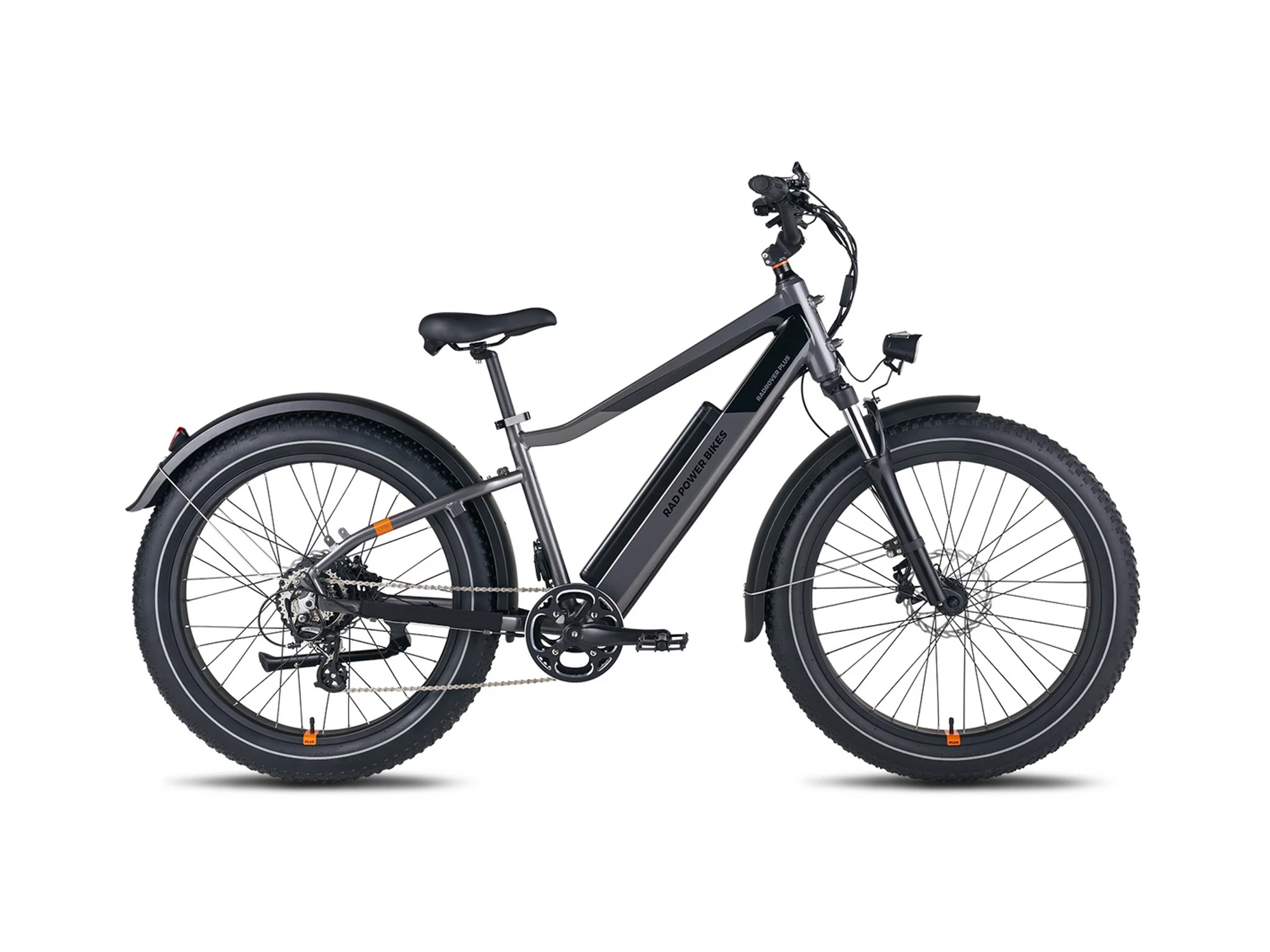
vs
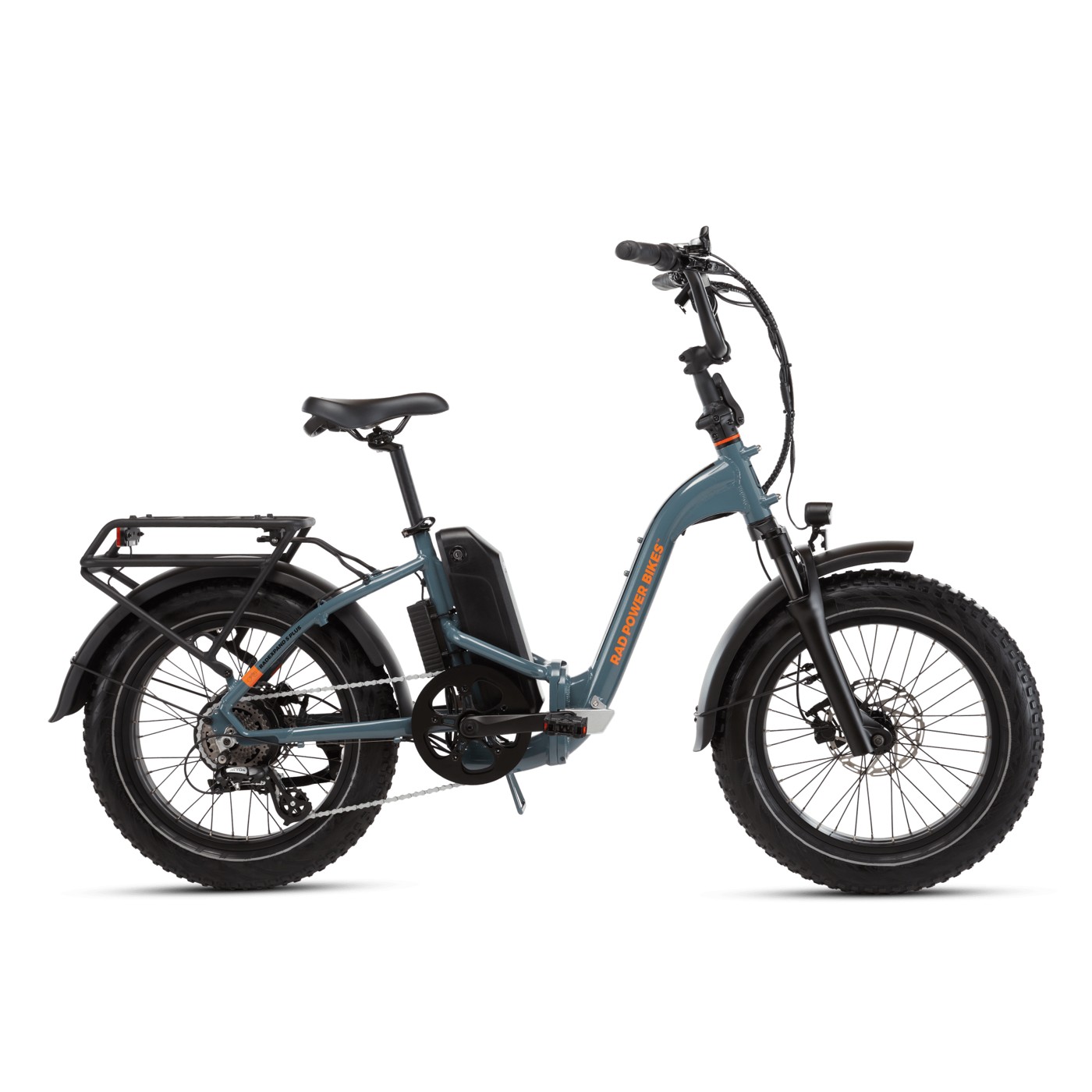
Quick take: The Rad Power RadRover 6 Plus costs $400 less; the Rad Power RadExpand 5 Plus goes farther on a charge (60 vs 45 mi).
| Spec | Rad Power RadRover 6 Plus | Rad Power RadExpand 5 Plus |
|---|---|---|
| Price | $1,499 | $1,899 |
| Rating | 4.4★ (1,500) | 4.5★ (400) |
| Category | Fat Tire | Folding |
| Class | Class 2 | Class 2 |
| Motor | 750W | 750W |
| Top Speed | 20 mph | 20 mph |
| Range | 45 mi | 60 mi |
| Battery | 672 Wh | 720 Wh |
| Max Load | 275 lbs | 315 lbs |
| Weight | 73 lbs | 72.5 lbs |
| Brakes | Hydraulic Disc | Hydraulic Disc |
| Drivetrain | 7-Speed | 7-Speed |
| Wheel Size | 26 in | 20 in |
| Throttle | Yes | Yes |
| Torque sensor | No | Yes |
| Suspension | Yes | Yes |
| Fenders | Yes | Yes |
| Rear rack | No | Yes |
| Lights | Yes | Yes |
| Foldable | No | Yes |
| Warranty | 1 year | 2 years |
Pros & cons
Rad Power RadRover 6 Plus
- ✓The 26x4-inch fat tires float over sand, gravel, snow, and trails while soaking up bumps, making it a true go-anywhere recreational bike.
- ✓The 750W motor with throttle has strong, confident power that makes light work of hills and loose terrain.
- ✓The RadRover 6 Plus upgraded to hydraulic disc brakes, giving it much stronger, lower-effort stopping than the mechanical brakes on earlier and cheaper fat bikes.
- ✓Both high-step and step-thru frames fit riders from 5'4" to 6'2", widening its appeal across body types.
- ✓At a frequently-discounted price under $1,500 it is a lot of capable fat-tire bike for the money.
- ✓The included fenders and integrated lights make it more practical and weather-ready than many bare-bones fat bikes.
- ✗It uses a cadence sensor, so power delivery is on/off rather than the smooth, natural feel of torque-sensor fat bikes.
- ✗At 73 lbs it is heavy, and the fat tires plus weight make it a genuine effort to pedal unassisted or lift onto a rack.
- ✗The 275-lb payload is lower than many cargo-oriented fat bikes, limiting how much gear you can carry.
- ✗There's no rear rack included, so hauling anything means buying add-ons.
- ✗The basic 80mm coil suspension fork is fine for light trails but under-damped for anything aggressive.
- ✗Warranty is only one year, and direct-to-consumer means assembly and service fall on you.
- ✗Rad Power went through Chapter 11 bankruptcy and was sold to Life Electric Vehicles in March 2026, and the RadRover 6 Plus has been dropped from the post-bankruptcy lineup - long-term parts support is a question mark.
Rad Power RadExpand 5 Plus
- ✓The torque sensor transforms the ride versus the old cadence-sensor RadExpand 5 - power arrives smoothly in proportion to your effort instead of surging on a delay.
- ✓The 720Wh Safe Shield battery is UL 2271 certified and resin-potted for fire safety, and its 60-mile max range is excellent for a folder.
- ✓The 50mm hydraulic suspension fork plus 4-inch fat tires make it far more comfortable on gravel, boardwalks, and rough pavement than rigid folding rivals.
- ✓Hydraulic disc brakes with 180mm rotors are a genuine upgrade over the mechanical brakes on cheaper folding fat bikes.
- ✓It ships with everything included - fenders, 59-lb rack, lights with brake light, and folding pedals - so there is nothing to add for daily use.
- ✓The 315-lb payload and stout frame handle bigger riders plus loaded panniers without feeling flexy.
- ✓Rad's two-year warranty and established parts and service network beat the support you get from most folding-bike-only brands.
- ✗At 72.5 lbs it is punishingly heavy for a folding bike - it folds fine, but lifting it into a trunk or RV compartment usually takes two people.
- ✗It is Class 2 only with a 20 mph cap and no official way to unlock higher speeds, which frustrates riders used to 28 mph commuters.
- ✗The 64Nm of torque is modest for a 750W fat bike - steep climbs with a heavy load require dropping to low gears and patience.
- ✗The 225-lb max rider weight within the payload rating rules out some of the heavier riders the fat-tire category usually attracts.
- ✗The ~50-lumen headlight is weak for anything beyond being seen - riders who commute in the dark will want a brighter aftermarket light.
- ✗At $1,899 it costs several hundred dollars more than Lectric's comparable folding fat bikes, and you are paying partly for the brand and service network.