Lectric XPress 2 vs Ride1Up Roadster V3
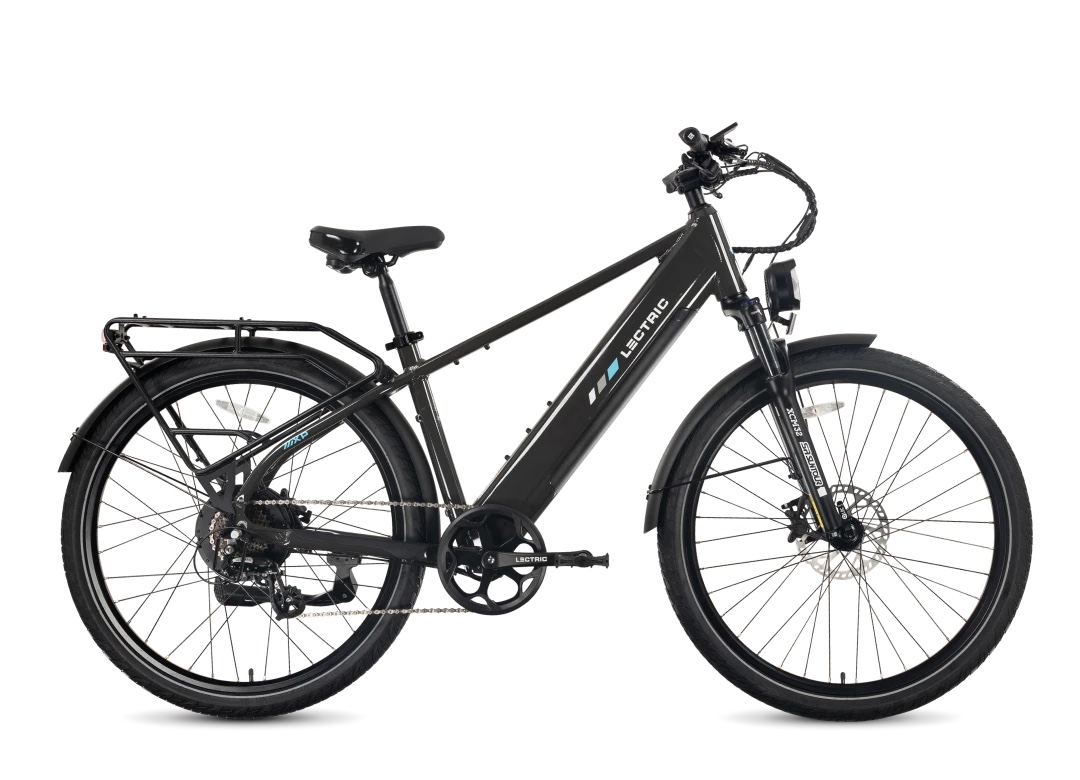
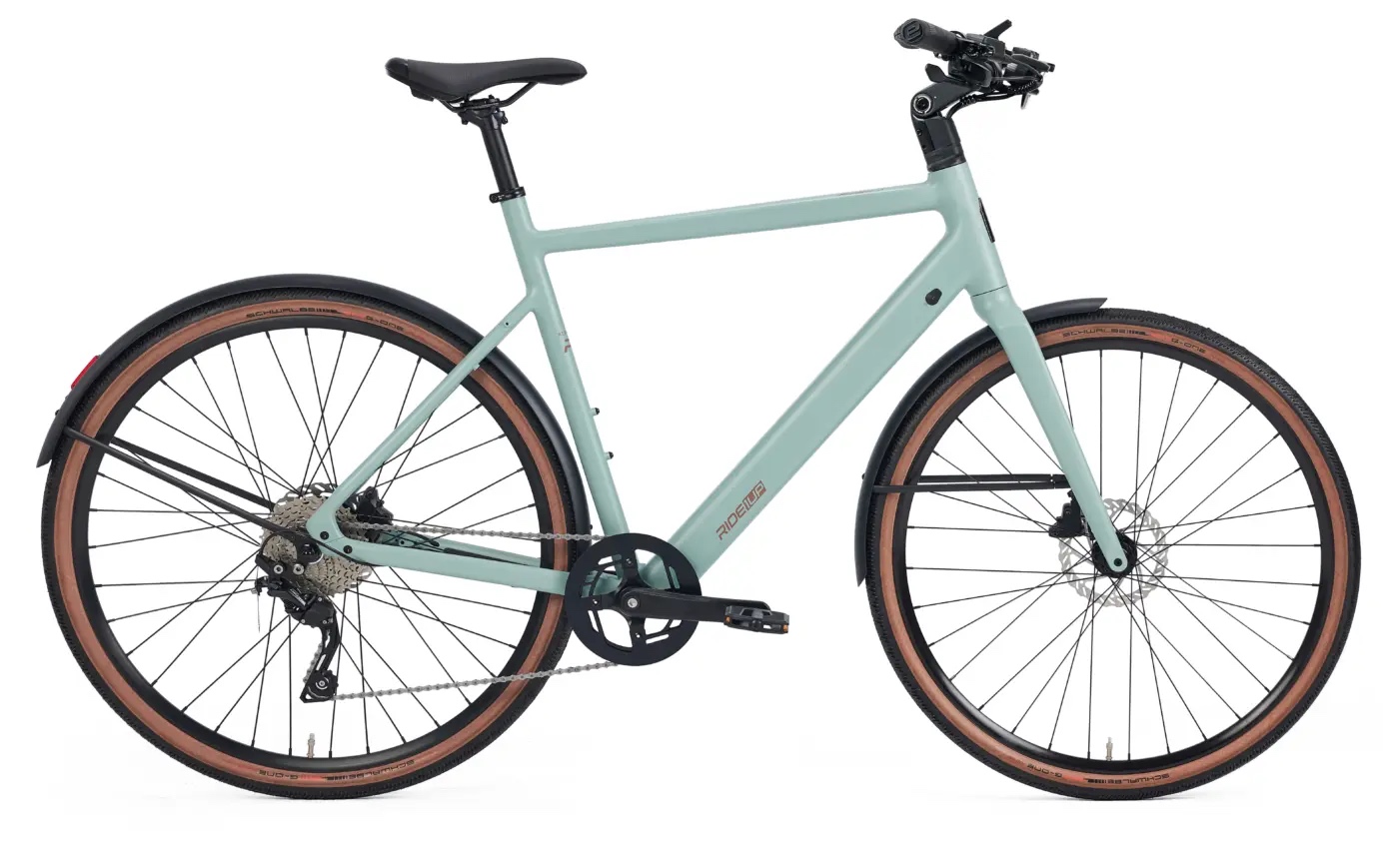
Quick take: The Ride1Up Roadster V3 costs $4 less; the Lectric XPress 2 goes farther on a charge (60 vs 40 mi); the Lectric XPress 2 has a more powerful motor (750W vs 500W).
| Spec | Lectric XPress 2 | Ride1Up Roadster V3 |
|---|---|---|
| Price | $1,399 | $1,395 |
| Rating | 4.6★ (400) | 4.7★ (306) |
| Category | Commuter | Commuter |
| Class | Class 3 | Class 3 |
| Motor | 750W | 500W |
| Top Speed | 28 mph | 28 mph |
| Range | 60 mi | 40 mi |
| Battery | 672 Wh | 360 Wh |
| Max Load | 330 lbs | 300 lbs |
| Weight | 64 lbs | 40 lbs |
| Brakes | Hydraulic Disc | Hydraulic Disc |
| Drivetrain | 8-Speed | 9-Speed |
| Wheel Size | 27.5 in | 700c |
| Throttle | Yes | Yes |
| Torque sensor | Yes | Yes |
| Suspension | Yes | No |
| Fenders | Yes | Yes |
| Rear rack | Yes | No |
| Lights | Yes | Yes |
| Foldable | No | No |
| Warranty | 1 year | 1 year |
Pros & cons
Lectric XPress 2
- ✓The 750W motor peaks at a hefty 1,310W with 85Nm, giving it acceleration and hill power that embarrasses most bikes under $1,500.
- ✓Lectric's switchable torque/cadence sensing lets you choose natural bicycle feel or lazy cruising - a flexibility trick few rivals at any price offer.
- ✓It arrives fully equipped: fenders, 60-lb-rated rear rack, suspension fork, and lights with turn signals and a brake light.
- ✓The 672Wh UL-certified battery posts real 30-50 mile mixed range and up to 60 in eco.
- ✓Class 1/2/3 configurability makes it street-legal anywhere while unlocking 28 mph where allowed.
- ✓The 330-lb payload and both high-step and step-thru frames fit a wide range of riders.
- ✗At a measured 72 lbs (64 claimed) it is very heavy, so stairs, racks, and dead-battery pedaling are all serious work.
- ✗The one-year warranty trails Aventon's and Velotric's two years in this price bracket.
- ✗Lectric's house-brand torque sensor is good but not as refined as the tuning on pricier systems.
- ✗Direct-to-consumer support means DIY troubleshooting; there is no dealer network for service.
- ✗It launched in mid-2026, so long-term reliability data is still thin compared to the proven XP line.
- ✗The 27.5x2.1 tires are commuter-oriented; anything beyond light gravel is out of its lane.
- ✗Resale and upgrade paths are limited by proprietary Lectric parts and batteries.
Ride1Up Roadster V3
- ✓At roughly 40 lbs it is one of the lightest throttle-equipped e-bikes you can buy - easy to carry up stairs, lift onto racks, and pedal home unassisted if the battery dies.
- ✓The Mivice hub motor and Intui-Drive torque sensor integrate almost seamlessly with your pedal effort - reviewers consistently call it one of the most natural-feeling hub-drive systems at any price.
- ✓Component spec is far above its price class - Schwalbe G-One or Continental gravel tires, Tektro hydraulic discs, and a Shimano Deore / microShift drivetrain on a $1,295 bike.
- ✓The single-speed Dayco carbon belt drive option means zero chain maintenance - no lube, no grease on your pants, near-silent running.
- ✓Cables and battery are fully internal with minimal branding, so it passes as a clean analog bike - a real theft and style advantage over obviously-electric commuters.
- ✓700x45c tubeless-ready gravel tires and generous clearance let it handle dirt paths and light gravel, not just pavement.
- ✓Metal fenders, a 120-lux headlight, and a crisp OLED display all come standard - no accessory nickel-and-diming to make it commute-ready.
- ✗The 360Wh battery is small - real-world range in higher assist or throttle-heavy riding can dip under 20 miles, so it is not a long-hauler.
- ✗The 500W-rated motor's 50Nm of torque is modest - OutdoorGearLab measured it slowing to under 7 mph on the steepest test grades, so heavy riders in hilly cities may want more grunt.
- ✗No rear rack is included and the frame is not designed around heavy cargo - you'll need aftermarket solutions for panniers.
- ✗The rigid aluminum fork and frame transmit road buzz - comfort depends heavily on running the wide tires at lower pressures (a suspension fork variant costs extra).
- ✗Ride1Up's 1-year warranty trails the 2 years offered by Aventon, Velotric, and Trek.
- ✗The taillight has no brake-light function, an odd omission given the hydraulic brakes have cutoff sensors.
- ✗Ride1Up is direct-to-consumer, so you assemble it yourself and handle service through your own local shop rather than a dealer network.